What is HIV/AIDS:
HIV stands for Human Immunodeficiency Virus that infect humans. The virus destroys CD4 cells that help the body to fight against infectious disease. This weakens the immune system of the body and thus ultimately leads to Acquired Immunodeficiency Virus Syndrome(AIDS).
AIDS is a condition in which there is a failure of the immune system and the body becomes weak causing infection and cancer.
There are two types of human immunodeficiency virus that belong to the genus Lentivirus.
The two types of human immunodeficiency virus are namely, human immunodeficiency virus 1 and human immunodeficiency virus 2.
Human Immunodeficiency Virus 1: This is the most common type of HIV and attacks the human immune system. Human immunodeficiency virus 1 harms the immune system of the body and also leads to acquired immunodeficiency syndrome(AIDS).
Human Immunodeficiency Virus 2: HIV-2 also shows infection just as HIV-1 but generally takes a longer time to progress for AIDS.
HIV virus is mainly transmitted sexually, blood transfusion, infected needles, body fluid. HIV does not transmit by physical touch or by air. At the initial stage, the virus may remain inactive in the body but after sometimes the symptoms may appear. The major symptoms includes:
- Nausea
- Headache
- Swollen Lymph Nodes
- Night Sweats
- Vomiting
- Diarrhoea
- Pneumonia
- Shingles
- Rash
- Vaginal yeast infection.
Rash is often the first symptom of HIV and approx 90% of people having HIV develop Rash.
Is There Any Cure of HIV:
In the current era there is no such CURE OF HIV but by the use of antiretroviral Regimes (ARVs) the effect of AIDS can be reduced and thus the life expectancy of the person can be increased from 9 to 11 years. As there is no permanent cure of HIV but the TREATMENT OF HIV starts as soon as virus infection is confirmed, the treatment includes antiretroviral therapy. Antiretroviral therapy is basically a combination of medicines that helps to enhance the immune system of the body. This therapy helps to protect the CD4 cells that contribute into a strong immune system, therapy not only helps in avoiding HIV to transmit in healthy persons but also lowers the chances of infection and cancer.
There are approximately 25 antiretroviral therapy medications that help to destroy and inhibit the growth of viruses by providing strength to CD4 cells. The major antiretroviral medications are divided into 6 classes. These classes are:
- Fusion inhibitors
- Protease inhibitors
- Non-nucleoside reverse transcriptase inhibitors (NNRTI)
- Nucleoside reverse transcriptase inhibitors(NRTI)
- Integrase strand transfer inhibitors.
- Entry inhibitors.
Some Most recommended HIV medicines are elaborated as follows:
List of HIV Medications:
- Treatment of HIV-1 infection requires a combination of different medications, also called antiretroviral drugs.
- Some of these medications are combined together into one pill.
- These medications should be taken every day as prescribed, in order to control the virus.
- These medications do not cure HIV-1 or AIDS, rather eliminates the risk of passing HIV-1 to others.
- Not all medications are right for all people, and treatment may be different for each person; you should contact your healthcare provider or other health care providers in order to know about your treatment.
1. LOPINAVIR:
Lopinavir is an antiretroviral drug that belongs to a class of protease inhibitors.
It is used in the treatment of HIV-1 when used in combination with the other protease inhibitor drug, ritonavir. The reason why it is combined with ritonavir is that it has very low oral bioavailability. Lopinavir is a peptidomimetics molecule that contains hydroxy ethylene that mimics the peptide linkage targeted by HIV-1 protease enzyme thus preventing the activity of HIV-1 protease.
Most Common Adverse Effects: The most common side effects include vomiting, diarrhoea, nausea, dizziness, headache, and stomach trouble are common side effects of lopinavir.
How Should I Take Lopinavir: Lopinavir should be taken orally at a fixed time of the day, either with or without food. The tablet must be swallowed whole and should not consumed crushed, chewed or broken tablets.
2. RITONAVIR:
Ritonavir is the antiretroviral drug that is used to inhibit the reproduction of the HIV virus and belongs to a protease inhibitor class. It is basically available into two forms: liquid and capsule and are used as a booster for other protease inhibitor drugs when used in a low dose. Ritonavir is used in the treatment of Hepatitis C when combined with other therapies because ritonavir alone is in an inactive state in case of the Hepatitis C virus.
Most Common Adverse Reactions: The most common side effects include rash, numbness, vomiting, headache, nausea, diarrhoea, mood Change are some common side effects of ritonavir.
How Should I Take Ritonavir: Ritonavir 100mg is taken orally at a fixed time of the day with doctor's instruction. Do not break, chew or crush the tablet. The tablet must be taken whole. It is advised to take the tablet at the same time of the day as other protease inhibitor drugs taken for its effective and efficient effect.
3. LOPINAVIR AND RITONAVIR COMBINATION:

The combination medicine contains two products that are Lopinavir and Ritonavir. This combination of medicines is used with another medicine to reduce and control HIV infection. It either increases the number of CD4 cells or decreases the HIV virus count so that the immune system of the body can work better.
Both of these products belong to the protease inhibitor class and the main function of ritonavir is to boost the effect of lopinavir by increasing its amount in the body.
The combination of
lopinavir ritonavir does not cure the HIV infection rather it is used to avoid the AIDS infection or the illness caused by the HIV virus.
Most Common Adverse Effect: The most common side effects of lopinavir and ritonavir combination drugs are diarrhoea, headache, muscle pain, weakness, numbness, and heartburn.
How Should I Take Lopinavir Ritonavir Combination: The combination of lopinavir and ritonavir is taken orally either in the form of tablet or in liquid. The solution form of this combination is taken with food and tablet form can be taken with or without food. This combination drug is taken once daily or by doctor's advice.
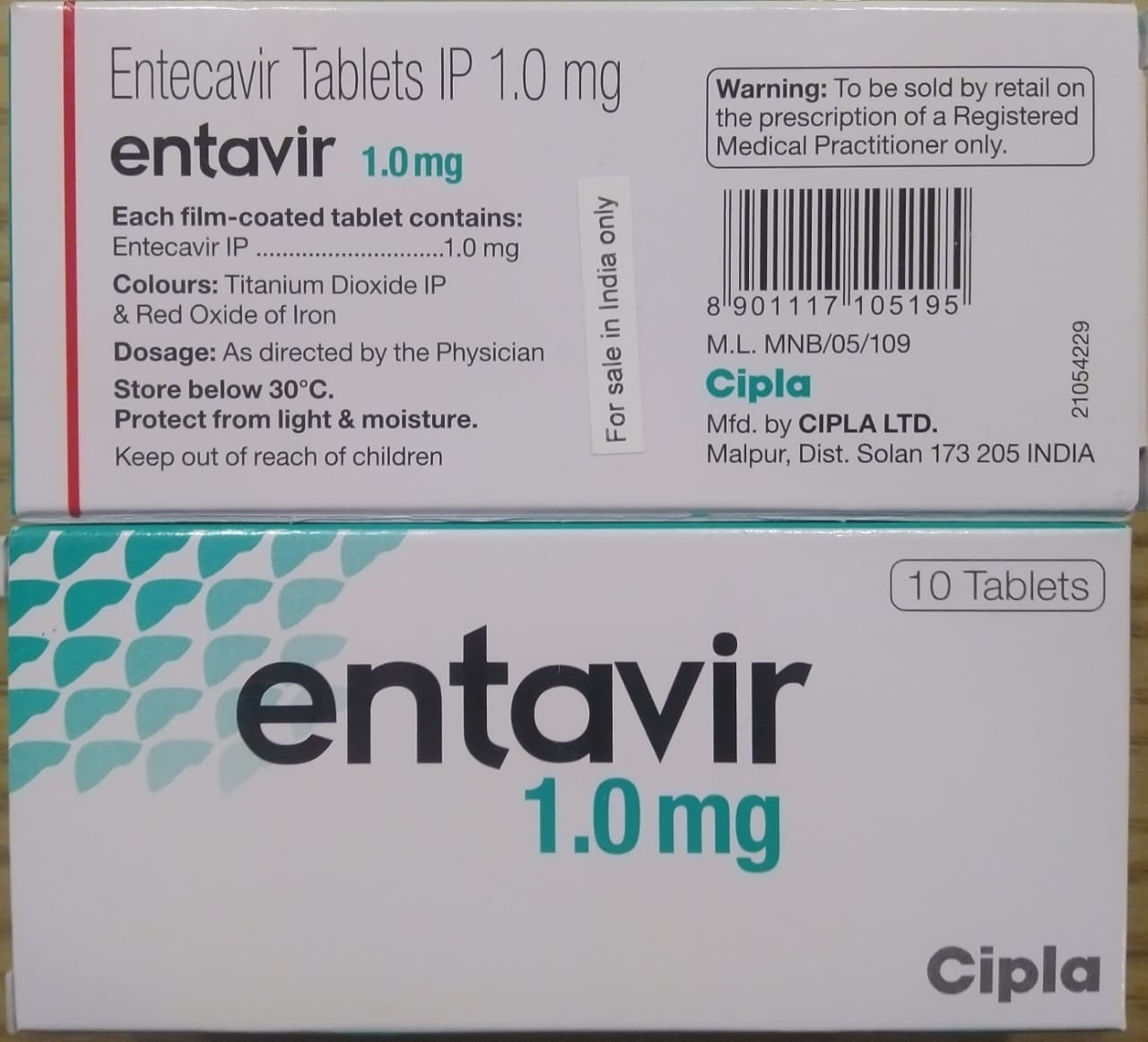
4. ENTECAVIR:

Entecavir, mainly prescribed in order to treat chronic hepatitis B infection in adults and children 2 years and older with active viral replication and evidence of active disease with elevations in liver enzymes.
Post liver transplant, this medication also can be used in order to prevent HBV reinfection and to treat HIV patients infected with HBV. Entecavir is not prescribed for use in HIV-HBV co-infected patients. Entecavir helps in reducing the amount of HBV in the blood by resisting as well as reducing its ability to multiply and infect new cells.
Most Common Adverse Effects: The most common side effects include headache, fatigue, dizziness, and nausea.
How Should I Take Entecavir: Entecavir 0.5mg should be taken on an empty stomach (at least 2 hours after a meal and 2 hours before the next meal).
Entecavir must be taken by mouth, so that it will be more effective and generally well tolerated treatment.
5. ATAZANAVIR:

Atazanavir, an antiretroviral drug prescribed for the treatment and prevention of HIV/AIDS. This medication is generally recommended in order to use with other antiretrovirals. Post the needlestick injury or other potential exposure, this medication may be used for prevention.
This drug appears to be safe in order to use during pregnancy. It is of the protease inhibitor (PI) class, which mainly works by blocking HIV protease.
In the year of 2003, Atazanavir was approved for medical use.
This medication is contraindicated in those with previous hypersensitivity.
Common Adverse Effects: Common side effects include headache, nausea, yellowish skin, abdominal pain, trouble sleeping, and fever.
How Should I Take Atazanavir: Atazanavir sulfate Capsules must be taken with food. Patients should avoid the consumption of broken capsules.
The recommended dosage of this medication simply depends on the treatment history of the patient and the use of other coadministered drugs.
Atazanavir is available as the following strengths:
- Atazanavir 100mg capsule
- Atazanavir 150mg capsule
- Atazanavir 200mg capsule
- Atazanavir 300mg capsule
6. ATAZANAVIR RITONAVIR:
The combination of
Atazanavir Ritonavir (ATV/r) used in the treatment of HIV/AIDS. The combination of atazanavir and ritonavir may be used instead of lopinavir/ritonavir.
Most Common Adverse Effects: Most common side effects include abdominal pain, diarrhea, yellowish skin, muscle pains, and headache.
How Should I Take Atazanavir Ritonavir: Atazanavir/Ritonavir Capsules must be taken with food. The recommended dosage directly depends on the treatment history of the patient and the use of other coadministered drugs. When coadministered with didanosine, H2-receptor antagonists, or proton-pump inhibitors, dose separation may be required.
7. DARUNAVIR
Darunavir, an antiretroviral drug recommended to use for the treatment and prevention of HIV/AIDS. It is mainly prescribed for use with other antiretrovirals. This medication is often used with low doses of ritonavir or cobicistat in order to enhance the darunavir levels. The medication can be also used for the prevention of post needlestick injury.
On October 21, 2008, this medication was approved by the FDA for use in people who have previously not treated for HIV.
Most Common Adverse Effects: The most common side effects include diarrhea, nausea, abdominal pain, headache, and rash.
How Should I Take Darunavir: Darunavir 800mg should be taken by mouth once to twice a day. Darunavir should be co-administered along with ritonavir.
Taking this medication with food may provide the desired antiviral effect. In circumstances of failure to administer darunavir with ritonavir and food might result in a loss of efficacy of darunavir.
8. ABACAVIR
Abacavir belongs to a nucleoside analogue reverse transcriptase inhibitors (NRTI) class. This medication is quite effective in treatment of HIV infection. This medication reduces the chances of HIV complications and reduces acquired immunodeficiency syndrome in the body. The mechanism of action of abacavir is that it inhibits the growth and replication of viral DNA by blocking the activity of the HIV reverse transcriptase enzyme. Abacavir should always be taken along with other antiretroviral medications.
Most Common Adverse Effects: The most common side effects include sleep problems, nausea, vomiting, diarrhoea, headache, rash, sneezing, and sore throat.
How Should I Take Abacavir: Abacavir 300 mg is always taken under doctor's prescription. Abacavir is taken with or without food and always in combination of the other antiretroviral medications. Children at the age of 3 month or above can consume abacavir.
9. NEVIRAPINE:
Nevirapine is a non-nucleoside reverse transcriptase inhibitor (NNRTI) used in combination with other antiretroviral medications for the control and treatment of HIV Type 1. Nevirapine basically belongs to the DIPYRIDODIAZEPINONE chemical class. This medication is always taken along with Retrovir or Videx.
Common Adverse Effects: The most common side effects of this medication include fatigue, fever, headache, insomnia, nausea, Rash, vomiting and weight loss.
Rash being the most common adverse reaction of the medication.
How Should I Take Nevirapine: The existing tablet should be consumed with or without food it must be taken as a whole.
10. LAMIVUDINE:
Lamivudine is an antiretroviral medication used in the treatment of AIDS. It is also used in the treatment of chronic Hepatitis B when no effective drugs are present. This is a rare medicine which is effective on both HIV 1 and HIV 2 virus. This medication is not used alone, it is always used in combination with some other antiretroviral medicines such as abacavir and zidovudine.
Most Common Adverse Effects: The most common side effects include headache, nausea, diarrhoea, cough, nasal symptoms.
How Should I Take Lamivudine: Lamivudine 300mg is taken once daily with or without food. Lamivudine tablets must be used as your doctor's directions.
11. EFAVIRENZ EMTRICITABINE AND TENOFOVIR:
The combination of
Efavirenz, Emtricitabine and Tenofovir disoproxil sold under the brand name Atripla, which is a medication used to treat HIV/AIDS. It is a fixed-dose combination therapy. It can be used by itself or together with other antiretroviral medications.
This medication should not be used in children and also should be avoided while on the pregnancy.
Most Common Adverse Effects: The most common side effects include headache, trouble sleeping, sleepiness, and unsteadiness.
How Should I Take Efavirenz/Emtricitabine/Tenofovir: ATRIPLA should be taken orally on an empty stomach. Taking the dose at bedtime is able to improve the tolerability of nervous system symptoms.
The combination of containing the strengths of each tablet is as:
- 600 mg of efavirenz
- 200 mg of emtricitabine
- and 300 mg of tenofovir disoproxil fumarate.
Read:- How to control HIV Infection