Showing posts with label hiv treatment. Show all posts

Tuesday, 26 May 2020

HIV vs AIDS

difference between hiv and aids

One of the main differences between HIV and AIDS is that, one is a virus, and the other one is a condition. A person who is with HIV may or may not have AIDS. On the other hand a person with AIDS will always have HIV in the blood.

HIV:


  • HIV is a virus.
  • HIV has no symptoms.
  • A person who is HIV positive does not yet have AIDS may seem to be perfectly healthy.
  • A person who is HIV positive does not have AIDS may have an effective as well as active immune system.
  • An HIV positive person who does not have AIDS can work and support his or her family.
  • Although HIV is of two types HIV-1 and HIV-2

AIDS: 

  • AIDS is a disease.
  • A person with AIDS may have the symptoms of various diseases which he has acquired, such as TB, meningitis, and cancer.
  • A person who carried AIDS may be thin and weak. He or she may feel and look sick.
  • The immune system of a person who is with AIDS is rapidly decreased and becomes less effective in order to protect his or her body.

What kind of infections does a person get as HIV begins leading to AIDS?

We are surrounded by disease-causing viruses, fungi, bacteria, and other germs. Some of such even present within our bodies, even without causing any illness. For instance, numerous people carry the latent TB germ in their bodies. However, these germs will not be successful in causing a disease in a person with a healthy immune system. It is only when the immune system is weakened by malnutrition, illness, or a condition like HIV infection, that these germs find an opportunity to cause disease. Such infections are called opportunistic infections.
Some OIs (opportunistic infections) that could be occur as HIV progresses to AIDS include:

  • Encephalitis (inflammation in the brain)
  • Candidiasis (or thrush, a fungal infection of the mouth or vagina)
  • Gastroenteritis (a digestive illness)
  • Meningitis
  • Pneumonia
  • Herpes
  • Kaposi’s sarcoma ( a kind of skin cancer)
  • Tuberculosis

Important Information: 
People with HIV, who pay attention to their nutrition needs and eat a balanced diet are more likely to develop AIDS later, and also such patients die later than those who are malnourished.
A person who is HIV positive should get information on nutrition from many sources, should discuss with others living successfully with HIV, and talk to the healthcare professionals before deciding what would be the best diet for her/him.

Read:- What are the symptoms of HIV and how to control HIV

Friday, 22 May 2020

Indications of Abacavir Sulfate

Indications of Abacavir Sulfate

Abacavir, a nucleoside analog reverse-transcriptase inhibitor (NRTIs), is indicated in antiretroviral combination therapy for the treatment of Human Immunodeficiency Virus (HIV) infection in adults, adolescents, and children.

The demonstration of the advantages of this drug mainly depends upon the outcomes of such studies which performed with a twice daily regimen, in treatment-naïve adult patients on combination therapy.
Before initiating treatment with abacavir sulfate, screening for carriage of the HLA-B*5701 allele (which is associated with drug-induced inflammatory disease of the skin) should be performed in such patients who are with HIV-infection, irrespective of racial origin. Individuals with B57 are more sensitive to the drug abacavir and should not be used this medicine in patients known to carry the HLA-B*5701 allele.

This medication should be prescribed by physicians experienced in the management of HIV infection. Abacavir 300 mg can be taken with or without food.

The administration should be performed by taking an entire dose, the tablet should ideally be gulped without crushing.
Oral solution of this drug is existing for use in such children who are over 90 days of age and weighing less than 14 kg.  It is basically recommended for those patients for whom the tablets are inappropriate.
Apart from this, for such patients who are not able to gulp tablets, the tablet can be crushed and added to a small amount of semi-solid liquid or food, all of which should be taken immediately.

How Does it Work:
Abacavir is an NRTI which is a potent selective inhibitor of Human Immunodeficiency Virus-1 (HIV-1) and Human Immunodeficiency Virus-2 (HIV-2). Abacavir mainly metabolised intracellularly to the active moiety, TP (carbovir 5’- triphosphate). In vitro observations have specified that its mechanism of action in relation to Human Immunodeficiency Virus is inhibition of the HIV reverse transcriptase enzyme, an event which demonstrates in chain termination as well as interruption of the viral replication cycle. The existing antiviral functions and activity of this medicine in cell culture was not antagonized when come with the NRTIS (nucleoside reverse transcriptase inhibitors) emtricitabine, didanosine, lamivudine, stavudine, zidovudine or tenofovir, the NNRTI (non-nucleoside reverse transcriptase inhibitor) nevirapine, or the PI (protease inhibitor) amprenavir.

Common Side Effects: The most common symptoms of Abacavir 300 mg are: Fever (high temperature) and skin rash.
Other common symptoms are nausea (feeling sick), vomiting (being sick), diarrhoea, abdominal (stomach) pain and severe tiredness.
Some other possible symptoms include Pains in the joints or muscles, swelling of the neck, shortness of breath, sore throat, cough, occasional headaches, inflammation of the eye (conjunctivitis), mouth ulcers, tingling or numbness of the hands or feet and low blood pressure.
.
Check detailed about side effects of Abacavir Sulfate

Tuesday, 19 May 2020

How toxic is HIV medications?

How toxic is HIV medication

Antiretroviral therapy (ART) has transformed the Human Immunodeficiency Virus (HIV) infection into a manageable chronic disease. There is a long list of HIV medications that have the potential to cause short-term and long-term adverse effects. The spectrum of potential ARV (antiretroviral) drug toxicity is broad, including renal toxicity, mitochondrial and metabolic effects, gastrointestinal symptoms, cardiovascular effects, hypersensitivity, skin reactions, insomnia, or other neuropsychiatric manifestations, and many other complications. Furthermore, as life expectancy for individuals with HIV has increased, the long-term safety of antiretroviral therapy has garnered increasing attention. On the other hand, newer antiretroviral medications have improved as well as enhanced safety profiles compared with the older antiretroviral medications, and this is reflected in the recommendations issued in the Adult and Adolescent ARV Guidelines. If you're in ambivalence in order to know how to control HIV infection then if you're living with HIV you should have an understanding of the basic toxicity profile of  ARV drugs (antiretroviral). Apart from this, you should keep in mind that the potential side effects of most ARV medications are less toxic than the effects of untreated HIV.

The illustration of groupwise probable drug toxicity is as follows:


Nucleoside Reverse Transcriptase Inhibitors: 


The nucleoside reverse transcriptase inhibitors (NRTIs) have several notable class-wide mitochondrial and metabolic effects, though these adverse effects rarely occur with the newer NRTI agents. Any potential impact of the NRTIs on human mitochondria is important, since mitochondria play an essential role in producing energy for the cell in the form of adenosine triphosphate. Mitochondrial toxicity caused by NRTIs induces a wide range of adverse effects, such as lactic acidosis, hepatic steatosis, myopathy, cardiomyopathy, peripheral neuropathy, pancreatitis, and possibly lipodystrophy syndrome. Chronic use of older NRTIs, such as didanosine, stavudine, and zidovudine, can inhibit gamma-DNA polymerase-gamma, the key enzyme responsible for mitochondrial DNA replication; this inhibition can decrease cellular oxidative phosphorylation, increase intracellular lipids, and cause accumulation of lactic acid. The probability of neuropathy and lipoatrophy generally appears with the long-term use of these older NRTIs. These complications only partially reverse, or do not reverse at all, with discontinuation of the offending medication. Such adverse effects are extremely rare with modern NRTIs, such as tenofovir alafenamide, tenofovir DF, abacavir, lamivudine, and emtricitabine. Some other terms may occur as toxicity, which are as follows:

  • Hyperlactatemia and Lactic Acidosis
  • Peripheral Neuropathy
  • Hyperlipidemia
  • Lipoatrophy
  • Hypersensitivity Reaction
  • Cardiovascular Risk
  • Nephrotoxicity
  • Risk Factors for Nephrotoxicity
  • Bone Marrow Suppression
  • Myopathy
  • Proteinuria

Non-Nucleoside Reverse Transcriptase Inhibitors: 


There are six non-nucleoside reverse transcriptase inhibitors (NNRTIs) that have been FDA approved for use: doravirine, efavirenz, etravirine, nevirapine, and rilpivirine. Some toxic reactions with this group of drugs are as follows:

  • Cardiac QTc Interval Prolongation
  • Dyslipidemia
  • Hepatotoxicity
  • Neuropsychiatric
  • Rash
  • Teratogenicity
  • Hypersensitivity Reaction
  • Elevated Serum Creatinine
  • Neuropsychiatric

Integrase Strand Transfer Inhibitors: 


The (INSTIs) generally are well tolerated and drug interactions are minimal. Based on the clinical trials, most frequently reported adverse reactions were headache, nausea, diarrhea, insomnia, and fatigue, but generally were not significant enough to warrant stopping therapy. Behalf of some studies that have specified the integrase strand transfer inhibitors, mainly dolutegravir, lead to greater weight gain than other classes of antiretrovirals, but the mechanism and clinical significance are unclear. Rare cases of INSTIs mood changes or new onset of psychiatric disorders have been observed with INSTIs. A few more toxic effects of INSTIs are elaborated as follows:

  • Potential Neural Tube Defects
  • Elevated Serum Creatinine
  • Insomnia
  • Myopathy and Elevated Creatine Phosphokinase
  • Elevated Creatine Kinase
  • Proximal Myopathy
  • Stevens-Johnson Syndrome/Toxic Epidermal Necrolysis. 

Protease Inhibitors: 


There are currently 10 FDA-approved HIV protease inhibitors (PIs), but in the Adult and Adolescent ARV Guidelines, none are designated in the category of Recommended Initial Regimens for Most People with HIV. PIs may be responsible for some other toxic reaction, which are given as:

  • Gastrointestinal Adverse Effects
  • Cardiovascular Risk
  • Cardiac Conduction Abnormalities
  • Bleeding Risk in Persons with Hemophilia
  • Lipo-accumulation
  • Hyperbilirubinemia
  • Nephrolithiasis
  • Cholelithiasis
  • Hyperlipidemia
  • Diarrhea
  • Alcohol in Liquid Formulation

Entry Inhibitors:


  • Rash
  • Hepatotoxicity
  • Impact of Host Immune Function

Pharmacologic Boosters: 


Ritonavir and cobicistat are pharmacokinetic enhancers to boost the concentration of other antiretroviral agents used in HIV treatment. Both medications work by interacting with the hepatic metabolism of antiretroviral drugs through the cytochrome P450 (CYP450) system; however, because of this mechanism of action, they can also affect the levels of other medications that are coadministered, leading to clinically significant (and occasionally unpredictable) drug interactions and potential adverse effects. This class of medications associated with several toxic reactions, which are as follows:

  • Abdominal pain
  • Diarrhea
  • Nausea
  • Vomiting
  • Gastrointestinal Symptoms


NOTE:  Numerous existing antiviral HIV/AIDS medications, were being researched as COVID‑19 treatments, with some moved into clinical trials.
And according to clinical studies some HIV medications are also helpful in COVID 19.

Thursday, 14 May 2020

Brief on side effects of Atazanavir ritonavir tablets

atazanavir ritonavir side effects

Atazanavir-ritonavir combination drug is an antiretroviral medication that is used in the treatment of HIV or AIDS. Both of these drugs belong to the protease inhibitor class and work by inhibiting the HIV protease activity. In this combination, ritonavir works as a pharmacokinetic booster that is used in a very low amount for boosting the concentration of atazanavir in human blood.

Atazanavir ritonavir tablet is consumed as a replacement of lopinavir-ritonavir combination drug and is taken orally.

Side effects of Atazanavir Ritonavir tablets: 

Some common side effects of atazanavir ritonavir combination tablet are:

  • Vomiting 
  • Stomach pain 
  • Diarrhoea
  • Nausea 
  • Fever 
  • Muscle pain 
  • Headache 
  • Insomnia 
  • Depression
  • Numbness 
  • Burning sensation in hand and feet
  • Tingling
  • Elevation in Bilirubin
  • Heartburn 
  • Loss of appetite
  • Mood swings
  • Change in taste

Some very common side effects of this tablet are:

  • Trouble sleeping
  • Nausea 
  • Fever 
  • Sleepiness 
  • Sadness 
  • Difficulty in concentrating 
  • Back pain
  • Weakness 
  • Pain in joints 
  • Increase in the level of cholesterol

Few serious adverse reactions of atazanavir ritonavir tablets include: 
Chronic kidney diseases include kidney stone and gallbladder problems

  • Kidney stone: the symptoms of kidney stones are a pain in the lower stomach, blood in urine, or pain while urinating. 
  • Gallbladder problems: the symptoms of gallbladder problems can be a pain in lower stomach, fever, nausea, and vomiting.
  • Jaundice: yellowing of nails and skins occur.
  • Hyperglycemia: elevation in sugar level in the blood. 
  • Immune reconstitution inflammatory syndrome(IRIS): the immune system strengthens itself to fight against the previous infection. 
  • Haemophilia: an increase in bleeding problems in people caused haemophilia. 
  • Renal problems: several problems have been detected in the renal tubule while or during the treatment.
  • Dislocation of body fat or redistribution of body fat: body fat of several areas are dislocated.
  • Vision change: Things appear blur
  • Sign of infection: symptoms of infection are reported.
  • Symptoms of an increase in the thyroid gland. 
  • Several nerve problems. 


Wednesday, 13 May 2020

Brief on side effects of Atazanavir Sulphate

side effects of atazanavir sulphate

Atazanavir sulphate is an antiretroviral medication that is used in the prevention and treatment of HIV or AIDS. It is generally used in combination with other antiretroviral medications. The efficiency of atazanavir is known by antiretroviral therapy (ART) treatment.

Atazanavir sulphate works by binding HIV protease and inhibiting it's for the synthesis and multiplication.

Side effects of Atazanavir Sulphate: 

Some common side effect reactions of this tablet are:

  • Pain in joint 
  • Muscle stiffness 
  • Body ache
  • Unsteadiness 
  • Weakness
  • Difficulty in movement of hand and legs
  • Numbness
  • Burning sensations
  • Painful sensation
  • Rash 
  • Elevated AST
  • Lipodystrophy syndrome
  • Dyspepsia
  • Dizziness 
  • Peripheral neurological symptoms


Some very common side effect of atazanavir 300 mg (atazanavir sulphate) tablet are:

  • Nausea 
  • Fever 
  • Vomiting 
  • Headache
  • Extra body fat
  • Irritability
  • Back pain
  • Trouble sleeping
  • Drowsiness
  • Depression 
  • Insomnia
  • Trouble concentrating 
  • Jaundice
  • Myalgia
  • Elevated bilirubin
  • Elevated total cholesterol

Few serious or rare adverse reactions of Atazanavir Sulphate are as follows:


  • Kidney stones: patients may develop kidney stones and extreme pain over the lower abdomen, so in these cases, the drug should be discontinued and health provider information should be taken.
  • Rash: itchiness or redness of skin occurs.
  • Gallbladder problems: If pain in the middle-upper stomach area occurs then and there may be a problem in the regular functioning of the gallbladder. 
  • Hyperglycemia: elevation in blood sugar level. 
  • Hepatosplenomegaly: swelling and enlargement of liver or spleen might be caused due to uptake of atazanavir sulphate tablet. 
  • Edema: puffiness caused by fluid trapped in body cells.
  • Eczema: Rash or itchy inflammation that occurs on the skin. 
  • Myopathy: negative effects on muscles occur when atazanavir sulphate tablet is used for a long duration.
  • Ketoacidosis: atazanavir can cause a serious diabetic problem in which the body produces excess acids.
  • Vasodilation: broadening of blood vessels has been noted.
  • Cardiac conduction abnormality: PR interval prolongation may occur in some patients. 
  • Hepatotoxicity: people suffering from hepatic impairment are prone to damage. 
  • Haemophilia: spontaneous bleeding may occur.

Monday, 11 May 2020

All you need to know about Ritonavir


Ritonavir (Norvir): Norvir was the first representative of a new class called protease inhibitors for the treatment of HIV-infected patients.

Ritonavir is basically indicated in combination with another antiretroviral nucleoside analogue (s) for treating the HIV-1 infected patients with advanced or progressive immunodeficiency”.

Some clinical studies shows that, ritonavir mainly used as a pharmacokinetic enhancer (low doses) in order to boost the plasma concentrations of other PIs (protease inhibitors) in Human Immunodeficiency Virus (HIV)-infected patients has become available. According to the review of CHMP of data on quality, efficacy, and safety, the CHMP (Committee for Medicinal Products for Human Use) considered by consensus that the benefit or risk profile of Ritonavir (Norvir) was quite favourable when it combines with other antiretroviral agents for the treatment of such patients who are HIV-1 infected (adults and children of 2 year age and older).


Ritonavir with Lopinavir:

The class of Lopinavir/ritonavir is an HIV protease inhibitor. The combination of Lopinavir ritonavir has antiviral activity against HIV-1.

Mechanism of Action: Lopinavir/ritonavir inhibits the HIV protease enzyme by forming an inhibitor-enzyme complex thereby preventing cleavage of the gag-pol polyproteins. Non-infectious viral particles (Immature) are subsequently produced.

Mechanism of Resistance: Greater levels of PIs (protease inhibitor) resistance result from the accumulation of multiple protease inhibitor-resistance mutations. There are several mechanisms of resistance. These include

  • Effects on dimer stability.
  • Alterations in enzyme catalysis. 
  • Alterations in inhibitor binding kinetics. 
  • Re-shaping of the active site.
  • Reduced binding affinity between the protease enzyme and inhibitors.

Adverse Effects: Some side effects of this combined medication are as follows:

  • Diarrhea
  • Nausea
  • Asthenia
  • Abdominal pain
  • Vomiting
  • Headache
  • Rash
  • Hyperglycemia
  • Uremia
  • Hyperbilirubinemia
  • Elevated AST or ALT
  • Hypercholesterolemia
  • Hypertriglyceridemia
  • Elevated amylase
  • Hypophosphatemia and Neutropenia

Dosage:

For adult patients the recommended dose of lopinavir and ritonavir tablets is 400/100mg (3 capsules or 5.0mL) twice daily, should be administered with food.

Contraindications Or Warnings: Lopinavir/ritonavir is contraindicated with the following medications:
astemizole, terfenadine, dihydroergotamine, ergonovine, ergotamine, methylergonovine,
cisapride, pimozide, midazolam, and triazolam.

Drug Interactions: In vitro, Lopinavir/ritonavir has been shown to be a substrate for, and inhibitor of, CYP3A. In vivo, this combined drug has shown induction and autoinduction of other drugs mainly metabolized by the CYP450 enzymes. The drug is generally metabolized through the enzyme named CYP450 which may interact with lopinavir/ritonavir.


Ritonavir with Atazanavir:

Atazanavir/ritonavir is a combination medication used in the treatment of HIV/AIDS. It combines atazanavir ritonavir. This combination can be preferred instead of the lopinavir/ritonavir.
Where Atazanavir works as Protease inhibitor and Ritonavir works as Protease inhibitor (pharmacokinetic booster).

Side Effects: Side effects with these combined medications are generally minimal.
They may include as follows:

  • Abdominal pain
  • Diarrhea
  • Yellowish skin
  • Muscle pains
  • Headache.

Greater care is recommended in people with underlying liver problems.

Dosage: The recommended dose of Atazanavir Ritonavir tablets should be based on the prescription of your healthcare provider.


Ritonavir with Darunavir:

Combination of Darunavir Ritonavir:
This combination is also quite effective.
The combination often combines Darunavir and Ritonavir.  This antiretroviral medication is generally used in the treatment and prevention of HIV/AIDS.

Read:- How to cure Hepatitis B

Sunday, 26 April 2020

Uses of Efavirenz Emtricitabine Tenofovir

Efavirenz Emtricitabine Tenofovir

What is Efavirenz Emtricitabine Tenofovir: 


The combination of these three medications is indicated for the treatment of (HIV) infection in adults aged 18 years and over who have previously been treated with other class of drugs which inhibit the activity of retroviruses (antiretroviral medicines) and have their HIV-1 infection under control for at least three months. The respective patient should not have experienced the failure of a previous Human Immunodeficiency Virus (HIV) therapy.

Efavirenz: Efavirenz is a non-nucleoside reverse transcriptase inhibitor. This is an active substance, which is also known as antiretroviral medicine, which works by interfering with an enzyme (reverse transcriptase) that is necessary for the virus in order to multiply.

Emtricitabine: Emtricitabine is a nucleoside analog reverse transcriptase inhibitor. Emtricitabine is an active substance, which is also known for its antiretroviral activity. This medicine works by interfering with an enzyme (reverse transcriptase) that is necessary for the virus in order to multiply.

Tenofovir Disoproxil: Tenofovir Disoproxil is a nucleotide analog reverse transcriptase inhibitor. Tenofovir Disoproxil is also an active substance, which is also known as antiretroviral medicine, which works by interfering with an enzyme (reverse transcriptase) that is necessary for the virus in order to multiply.

What are the uses of Efavirenz Emtricitabine Tenofovir Disoproxil Fumarate:


The purpose of combining these three drugs into a single, once-daily pill reduces pill burden and simplifies dosing schedules, and therefore has the potential to increase adherence to antiretroviral therapy.

Efavirenz is an NNRTI (non-nucleoside reverse transcriptase inhibitor) of HIV-1. Emtricitabine is an NRTI (nucleoside reverse transcriptase inhibitor) of Human Immunodeficiency Virus-1 and Tenofovir is a nucleotide reverse transcriptase inhibitor of HIV-1, and it can be classified as a NtRTI. All these three medications work in a combination in order to target the Human Immunodeficiency Virus (HIV) reverse transcriptase protein in three ways, which basically helps in reducing the virus's capacity to mutate.

Coming up to the combinational studies there were synergistic antiviral effects observed in between emtricitabine and efavirenz, efavirenz and tenofovir, and emtricitabine and tenofovir.

In the year of 2006 in the United States, Efavirenz/emtricitabine/tenofovir was approved as a once-daily tablet in order to treat Human Immunodeficiency Virus. The main advantage of this new medication was that it could be taken once daily and reduce the overall stress in an antiretroviral regimen.

Related:- List of HIV Medications


Side Effects of Efavirenz Emtricitabine and Tenofovir: 

Common side effects of efavirenz/emtricitabine/tenofovir could be occur as follows:

  • Tiredness
  • Dizziness
  • Gastrointestinal Distress
  • And, Skin Discoloration
  • Some more severe side effects could be as:
  • Hallucinations
  • Sleeplessness
  • Abnormal Dreams
  • Depression

While on HIV therapy patients may experience an increase in their weight and in levels of glucose and blood lipids. The recommended dosage of efavirenz, emtricitabine and tenofovir should be one tablet at or before bedtime.

In order to reduce the side effects, this medication should be taken on an empty stomach. People with kidney or liver problems can take one tablet by mouth once a day.

Some below-enlisted medications should be avoided while on with Efavirenz, Emtricitabine, Tenofovir include:

  • Bepridil
  • Midazolam
  • Pimozide
  • Triazolam or Ergot Derivatives
Additionally, St. John's wort is known to reduce the effectiveness of efavirenz/emtricitabine/tenofovir, resulting in increased viral load and possible resistance to Efavirenz, Emtricitabine, Tenofovir Disoproxil Fumarate.

Read: What are the symptoms of HIV, and how to control HIV Infection?

Thursday, 23 April 2020

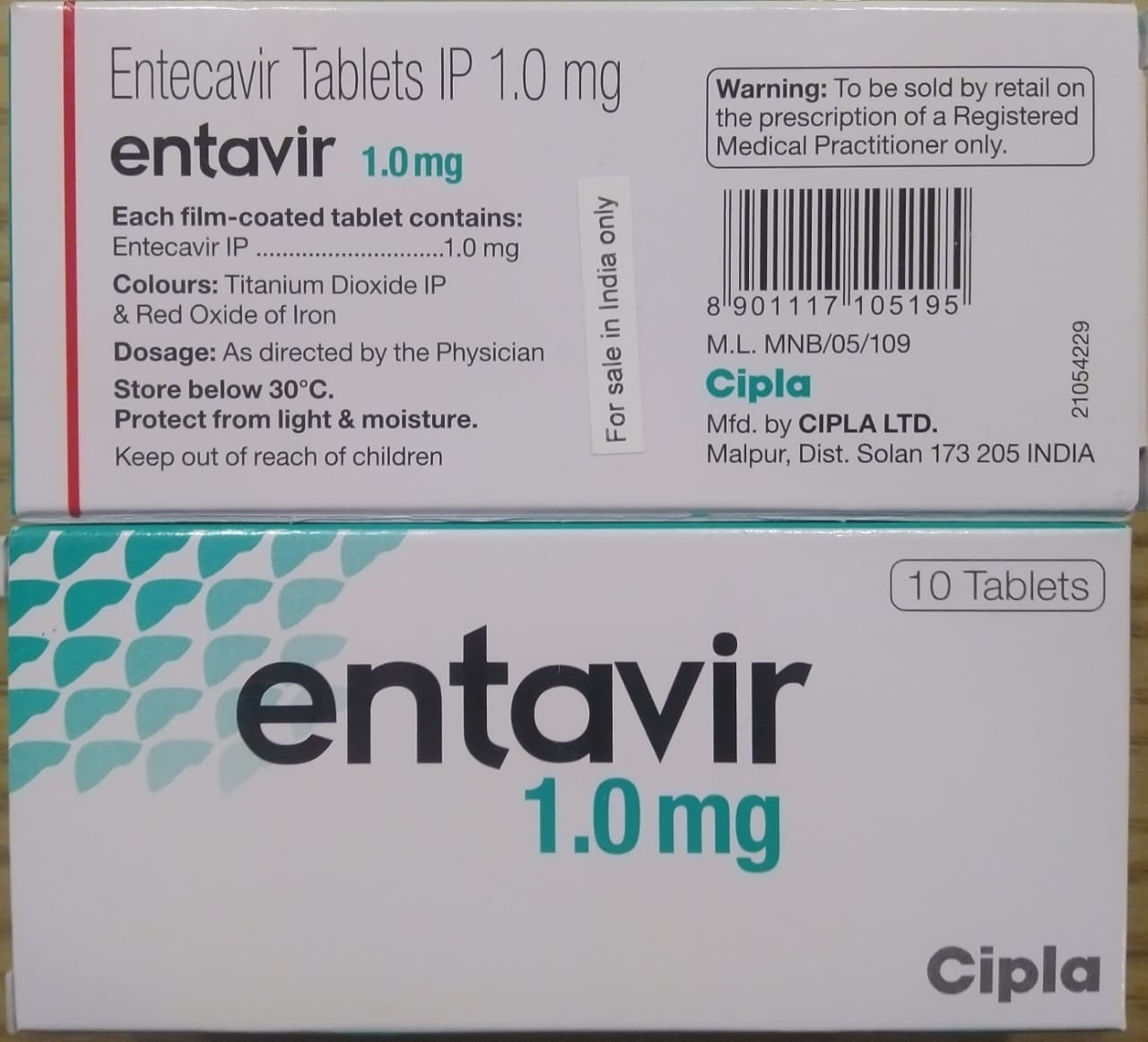
All you need to know about Entecavir tablets

entecavir tablets

What is Entecavir: 

Entecavir 0.5 mg contains Entecavir as an active substance. Entecavir 0.5 & 1mg tablets are anti-viral medicines, used to treat chronic (long term) hepatitis B virus (HBV) infection in adults.

What is the use of Entecavir tablets: 

Entecavir can be used in people whose liver is damaged but still functions properly (compensated liver disease) and in people whose liver is damaged and does not function properly (decompensated liver disease).

This medication (Entecavir) is also used to treat HIV infection, and chronic HBV infection (long term) in children and adolescents aged 2 years to less than 18 years.

Entecavir may also be used in children with the compensated liver disease means whose liver is damaged but still functions properly.

Hepatitis B virus may lead towards the infection which has the potential to damage the liver. Entecavir tablets are effective in order to reduce the amount of virus in the body, and in this way it helps in enhancing the condition of the liver.

Side Effects of Entecavir: 

Like all medicines, this medicine can cause side effects, although not everybody gets them.
Patients with Entecavir have reported some common adverse reactions which are as follows:

  • Nausea
  • Headache
  • Vomiting
  • Diarrhoea
  • Dizziness
  • Insomnia (Inability to sleep)
  • Fatigue (Extreme tiredness)
  • Somnolence (Sleepiness)
  • Dyspepsia (Indigestion)
  • Increased blood levels of liver enzymes. 

Uncommon side effects are as: rash, severe allergic reactions, and hair loss.

In case of any adverse reactions talk to your healthcare provider. 


How Entecavir is useful in the treatment of HIV: 

Entecavir is a nucleoside analog, or a deoxyguanosine analogue that mainly belongs to a class of medication named carbocyclic nucleosides. This medication inhibits reverse transcription, DNA replication and transcription in the viral replication process.

This medication is highly potent against HBV, but can select for HIV resistance mutations (M184V). Therefore, entecavir should only be used in HBV/HIV coinfected patients in addition to (and should not replace components of) fully suppressive ART.

Entecavir mainly works by reducing the amount of HBV in the blood by resisting and decreasing its ability to multiply and infect new cells.

The efficacy of entecavir medication has been found good in several clinical trials. Entecavir, when taken by mouth is more effective and also well-tolerated treatment.

  • In most cases, you may take Entecavir 0.5mg with or without food. However, if you have had a previous treatment with a medicine containing the active substance lamivudine you should consider the following.
  • In case of moving towards the Entecavir 0.5 because the treatment with lamivudine was not successful, you should take Entecavir on an empty stomach once daily.
  • If your liver disease is very advanced, your doctor will also instruct you to take Entecavir 1mg on an empty stomach.
  • Empty stomach stands as, at least 2 hours after a meal and at least 2 hours before your next meal.
  • Children and adolescents (from 2 to less than 18 years of age) can take Entecavir 1mg with or without food.
  • The price of Entecavir is affordable which can be purchased by any respective patient from any authorized pharmaceutical company. 
            
            List of Medications for HIV

Tuesday, 21 April 2020

LIST OF HIV MEDICATIONS

What is HIV/AIDS: 

HIV stands for Human Immunodeficiency Virus that infect humans. The virus destroys CD4 cells that help the body to fight against infectious disease. This weakens the immune system of the body and thus ultimately leads to Acquired Immunodeficiency Virus Syndrome(AIDS).
AIDS is a condition in which there is a failure of the immune system and the body becomes weak causing infection and cancer.

There are two types of human immunodeficiency virus that belong to the genus Lentivirus.
The two types of human immunodeficiency virus are namely, human immunodeficiency virus 1 and human immunodeficiency virus 2.

Human Immunodeficiency Virus 1: This is the most common type of HIV and attacks the human immune system. Human immunodeficiency virus 1 harms the immune system of the body and also leads to acquired immunodeficiency syndrome(AIDS).
Human Immunodeficiency Virus 2: HIV-2 also shows infection just as HIV-1 but generally takes a longer time to progress for AIDS.

HIV virus is mainly transmitted sexually, blood transfusion,  infected needles, body fluid. HIV does not transmit by physical touch or by air. At the initial stage, the virus may remain inactive in the body but after sometimes the symptoms may appear. The major symptoms includes:
  • Nausea
  • Headache 
  • Swollen Lymph Nodes
  • Night Sweats 
  • Vomiting
  • Diarrhoea 
  • Pneumonia 
  • Shingles 
  • Rash
  • Vaginal yeast infection. 
Rash is often the first symptom of HIV and approx 90% of people having HIV develop Rash.

Is There Any Cure of HIV:

In the current era there is no such CURE OF HIV but by the use of antiretroviral Regimes (ARVs) the effect of AIDS can be reduced and thus the life expectancy of the person can be increased from 9 to 11 years. As there is no permanent cure of HIV but the TREATMENT OF HIV starts as soon as virus infection is confirmed, the treatment includes antiretroviral therapy. Antiretroviral therapy is basically a combination of medicines that helps to enhance the immune system of the body. This therapy helps to protect the CD4 cells that contribute into a strong immune system, therapy not only helps in avoiding HIV to transmit in healthy persons but also lowers the chances of infection and cancer.

There are approximately 25 antiretroviral therapy medications that help to destroy and inhibit the growth of viruses by providing strength to CD4 cells. The major antiretroviral medications are divided into 6 classes. These classes are:
  • Fusion inhibitors
  • Protease inhibitors
  • Non-nucleoside reverse transcriptase inhibitors (NNRTI) 
  • Nucleoside reverse transcriptase inhibitors(NRTI) 
  • Integrase strand transfer inhibitors. 
  • Entry inhibitors. 

Some Most recommended HIV medicines are elaborated as follows:

List of HIV Medications: 
  • Treatment of HIV-1 infection requires a combination of different medications, also called antiretroviral drugs. 
  • Some of these medications are combined together into one pill. 
  • These medications should be taken every day as prescribed, in order to control the virus. 
  • These medications do not cure HIV-1 or AIDS, rather eliminates the risk of passing HIV-1 to others. 
  • Not all medications are right for all people, and treatment may be different for each person; you should contact your healthcare provider or other health care providers in order to know about your treatment. 

1. LOPINAVIR:

Lopinavir is an antiretroviral drug that belongs to a class of protease inhibitors. It is used in the treatment of HIV-1 when used in combination with the other protease inhibitor drug, ritonavir. The reason why it is combined with ritonavir is that it has very low oral bioavailability. Lopinavir is a peptidomimetics molecule that contains hydroxy ethylene that mimics the peptide linkage targeted by HIV-1 protease enzyme thus preventing the activity of HIV-1 protease.

Most Common Adverse Effects: The most common side effects include vomiting, diarrhoea, nausea, dizziness, headache, and stomach trouble are common side effects of lopinavir.

How Should I Take Lopinavir: Lopinavir should be taken orally at a fixed time of the day, either with or without food. The tablet must be swallowed whole and should not consumed crushed, chewed or broken tablets.

2. RITONAVIR:

Ritonavir is the antiretroviral drug that is used to inhibit the reproduction of the HIV virus and belongs to a protease inhibitor class. It is basically available into two forms: liquid and capsule and are used as a booster for other protease inhibitor drugs when used in a low dose. Ritonavir is used in the treatment of Hepatitis C when combined with other therapies because ritonavir alone is in an inactive state in case of the Hepatitis C virus.

Most Common Adverse Reactions: The most common side effects include rash, numbness, vomiting, headache, nausea, diarrhoea, mood Change are some common side effects of ritonavir.

How Should I Take Ritonavir: Ritonavir 100mg  is taken orally at a fixed time of the day with doctor's instruction. Do not break, chew or crush the tablet. The tablet must be taken whole. It is advised to take the tablet at the same time of the day as other protease inhibitor drugs taken for its effective and efficient effect.

3. LOPINAVIR AND RITONAVIR COMBINATION:

The combination medicine contains two products that are Lopinavir and Ritonavir. This combination of medicines is used with another medicine to reduce and control HIV infection. It either increases the number of CD4 cells or decreases the HIV virus count so that the immune system of the body can work better.
Both of these products belong to the protease inhibitor class and the main function of ritonavir is to boost the effect of lopinavir by increasing its amount in the body.
The combination of lopinavir ritonavir does not cure the HIV infection rather it is used to avoid the AIDS infection or the illness caused by the HIV virus.

Most Common Adverse Effect: The most common side effects of lopinavir and ritonavir combination drugs are diarrhoea, headache, muscle pain, weakness, numbness, and heartburn.

How Should I Take Lopinavir Ritonavir Combination: The combination of lopinavir and ritonavir is taken orally either in the form of tablet or in liquid. The solution form of this combination is taken with food and tablet form can be taken with or without food. This combination drug is taken once daily or by doctor's advice.

4. ENTECAVIR:

Entecavir, mainly prescribed in order to treat chronic hepatitis B infection in adults and children 2 years and older with active viral replication and evidence of active disease with elevations in liver enzymes.
Post liver transplant, this medication also can be used in order to prevent HBV reinfection and to treat HIV patients infected with HBV. Entecavir is not prescribed for use in HIV-HBV co-infected patients. Entecavir helps in reducing the amount of HBV in the blood by resisting as well as reducing its ability to multiply and infect new cells.

Most Common Adverse Effects: The most common side effects include headache, fatigue, dizziness, and nausea.

How Should I Take Entecavir: Entecavir 0.5mg should be taken on an empty stomach (at least 2 hours after a meal and 2 hours before the next meal).
Entecavir must be taken by mouth, so that it will be more effective and generally well tolerated treatment.

5. ATAZANAVIR:

Atazanavir, an antiretroviral drug prescribed for the treatment and prevention of HIV/AIDS. This medication is generally recommended in order to use with other antiretrovirals. Post the needlestick injury or other potential exposure, this medication may be used for prevention.
This drug appears to be safe in order to use during pregnancy. It is of the protease inhibitor (PI) class, which mainly works by blocking HIV protease.
In the year of 2003, Atazanavir was approved for medical use.
This medication is contraindicated in those with previous hypersensitivity.

Common Adverse Effects: Common side effects include headache, nausea, yellowish skin, abdominal pain, trouble sleeping, and fever.

How Should I Take Atazanavir: Atazanavir sulfate Capsules must be taken with food. Patients should avoid the consumption of broken capsules.
The recommended dosage of this medication simply depends on the treatment history of the patient and the use of other coadministered drugs.
Atazanavir is available as the following strengths:
  • Atazanavir 100mg capsule
  • Atazanavir 150mg capsule
  • Atazanavir 200mg capsule
  • Atazanavir 300mg capsule


6. ATAZANAVIR RITONAVIR:

The combination of Atazanavir Ritonavir (ATV/r) used in the treatment of HIV/AIDS. The combination of atazanavir and ritonavir may be used instead of lopinavir/ritonavir.

Most Common Adverse Effects: Most common side effects include abdominal pain, diarrhea, yellowish skin, muscle pains, and headache.

How Should I Take Atazanavir Ritonavir: Atazanavir/Ritonavir Capsules must be taken with food. The recommended dosage directly depends on the treatment history of the patient  and the use of other coadministered drugs. When coadministered with didanosine, H2-receptor antagonists, or proton-pump inhibitors, dose separation may be required.


7. DARUNAVIR

Darunavir, an antiretroviral drug recommended to use for the treatment and prevention of HIV/AIDS. It is mainly prescribed for use with other antiretrovirals. This medication is often used with low doses of ritonavir or cobicistat in order to enhance the darunavir levels. The medication can be also used for the prevention of post needlestick injury.
On October 21, 2008, this medication was approved by the FDA for use in people who have previously not treated for HIV.

Most Common Adverse Effects: The most common side effects include diarrhea, nausea, abdominal pain, headache, and rash.

How Should I Take Darunavir: Darunavir 800mg should be taken by mouth once to twice a day. Darunavir should be co-administered along with ritonavir.
Taking this medication with food may provide the desired antiviral effect. In circumstances of failure to administer darunavir with ritonavir and food might result in a loss of efficacy of darunavir.

8. ABACAVIR

Abacavir belongs to a nucleoside analogue reverse transcriptase inhibitors (NRTI) class. This medication is quite effective in treatment of HIV infection. This medication reduces the chances of HIV complications and reduces acquired immunodeficiency syndrome in the body. The mechanism of action of abacavir is that it inhibits the growth and replication of viral DNA by blocking the activity of the HIV reverse transcriptase enzyme. Abacavir should always be taken along with other antiretroviral medications.

Most Common Adverse Effects: The most common side effects include sleep problems, nausea, vomiting, diarrhoea, headache, rash, sneezing, and sore throat.

How Should I Take Abacavir: Abacavir 300 mg is always taken under doctor's prescription. Abacavir is taken with or without food and always in combination of the other antiretroviral medications. Children at the age of 3 month or above can consume abacavir.

9. NEVIRAPINE:

Nevirapine is a non-nucleoside reverse transcriptase inhibitor (NNRTI) used in combination with other antiretroviral medications for the control and treatment of HIV Type 1. Nevirapine basically belongs to the DIPYRIDODIAZEPINONE chemical class. This medication is always taken along with Retrovir or Videx.

Common Adverse Effects: The most common side effects of this medication include fatigue, fever, headache, insomnia, nausea, Rash, vomiting and weight loss.
Rash being the most common adverse reaction of the medication.

How Should I Take Nevirapine: The existing tablet should be consumed with or without food it must be taken as a whole.

10. LAMIVUDINE:

Lamivudine is an antiretroviral medication used in the treatment of AIDS. It is also used in the treatment of chronic Hepatitis B when no effective drugs are present. This is a rare medicine which is effective on both HIV 1 and HIV 2 virus. This medication is not used alone, it is always used in combination with some other antiretroviral medicines such as abacavir and zidovudine.

Most Common Adverse Effects: The most common side effects include headache, nausea, diarrhoea, cough, nasal symptoms.

How Should I Take Lamivudine: Lamivudine 300mg is taken once daily with or without food. Lamivudine tablets must be used as your doctor's directions.

11. EFAVIRENZ EMTRICITABINE AND TENOFOVIR:

The combination of Efavirenz, Emtricitabine and Tenofovir disoproxil sold under the brand name Atripla, which is a medication used to treat HIV/AIDS. It is a fixed-dose combination therapy. It can be used by itself or together with other antiretroviral medications.
This medication should not be used in children and also should be avoided while on the pregnancy.

Most Common Adverse Effects: The most common side effects include headache, trouble sleeping, sleepiness, and unsteadiness.

How Should I Take Efavirenz/Emtricitabine/Tenofovir: ATRIPLA should be taken orally on an empty stomach. Taking the dose at bedtime is able to improve the tolerability of nervous system symptoms.
The combination of containing the strengths of each tablet is as:
  • 600 mg of efavirenz
  • 200 mg of emtricitabine
  • and 300 mg of tenofovir disoproxil fumarate. 

Read:- How to control HIV Infection